- Download the app
-
Volunteer Opportunities
Top Destinations
See all volunteer opportunitiesWhat type of experience are you looking for?
- Academy
- Community Blog
- WP Life
- Exclusive discounts
- How it works
- Help
- Sign Out
- Log In
- Sign Up
- Become a Host
- English

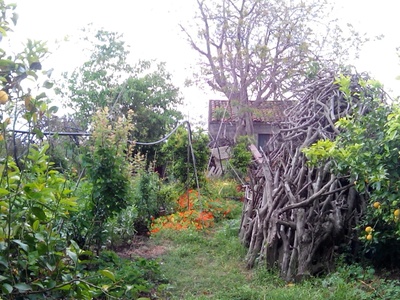
Spend some quality time on our small family-run organic farm in Italy
The experience
Hi, my name is Guido and with my family we live in the area where Mount Etna is the closest to the sea.
This area is renowned for its unique soil and microclimate; inevitable conditions if you have a three and a half thousand metres volcano to less than ten km from the coast.
Our farm consists of a few plots, all of them a few km close-by one another.
What you offer
25 hours of help per week
Cleaning: Help clean the kitchen, bedrooms, bathrooms and common areas.
Farming: Plant crops, sow seeds and help in outside tasks.
Gardening: Help grow plants and cultivate gardens
What you get
2 days off per week
Shared Dorm: You will have a bed in a shared room, which means you will share the same room with other travelers.
Team Dorm: You will have a bed in a shared room, which means you will share the same room with other people.
Breakfast: You are entitled to a free breakfast, every day of your stay.
Lunch: You are entitled to a free lunch, every day of your stay.
Dinner: You are entitled to a free dinner, every day of your stay.
Basic Internet Access: Basic speed internet for you to work remotely
Requirements
Fluent English
Welcomes solo volunteers, couples, and partners of volunteers
What's not included
Flights, Travel Insurance, Internal Transportation and Visa
Program Details
As per guidelines we believe 25 hours a week is a good match for room and board in exchange. Albeit generally in the morning, it is not rare to ask you to help us at a different time of the day (especially if raining or harvesting) or in different places. Our primary target of course will be everything involving the garden maintenance (weeding and cleaning, working the land, harvesting, maintaining and repairing, etc.). Some of our ever-going projects are the enlargement of our vegetable garden along with the improvement of the irrigation system and in our to-do list the start of a small plant nursery/greenhouse and the renovation of a few old caravans for volunteers to use.
Suggested clothing: long work trousers/jeans, shirts (long and short sleeves), old jacket/hoodie, boots (work/hiking shoes - the ground tend to be wet in the morning), hat, thick leather gloves, hear plugs.
Solar cream needed in summer, mosquitoes repellent in spring/fall mainly.
Calendar of main activities
January – lemon (and other citrus) harvest, weeding, pruning and branch disposal.
February – lemon (and other citrus) harvest, weeding, pruning and branch disposal, grafting (avocado, rosacee – apricots, plums, etc.)
March – lemon (and other citrus) harvest, pruning and branch disposal, grafting (citrus – lemons, oranges, etc.), weeding.
April – weeding, grafting (citrus – lemons, oranges, etc.), pruning (custard apple) and branch disposal, planting summer veggies (tomatoes, zucchini, etc.), transplanting (banana, mango).
May – weeding, lemon and spring fruits harvest (mulberries, loquats)
June – weeding, lemon harvest, irrigation, grapes stripping (take off excess leaves)
July – irrigation, blackberries harvest
August – irrigation, lemon, blackberries harvest.
Activities & Shift
September – lemons pruning and branch disposal, planting winter veggies (broccoli, fennels, etc.), grapes harvest.
October – autumn fruit harvest daily (feijoa, custard apple, guava, kaki, avocado, strawberry tree, etc.), olive harvest.
November – weekly harvest (clementines, hovenia), olive harvest and branch disposal, transplanting.
December – lemon harvest, hovenia harvest weekly, weeding, pruning and branch disposal.
- As tradition dictates we harvest lemons three times a year, in winter, spring and summer; each is the end result of a different flowering (lemons generally bloom three times a year). Harvest dates are not always fixed. Winter harvest may happen from December to March, spring harvest at some point in May, summer harvest from end of June to August.
- We have minor amounts of other citrus fruit which we pick weekly, not all at once like the lemons.
- Pruning takes place in winter, from December to March and it involves most of the plants except lemons in September and custard apples in April.
- Branch disposal involves cutting and selecting branches for shredding, firewood or other uses.
- Weeding can be performed mechanically with a strimmer/weedwhacker or manually around trees. It normally takes a few weeks per year but due to seasonality and planning it can be spread for a couple of months throughout the year.
- Irrigation consists of checking and unclog water sprinkles.
Rules
Help in the farm is not always easy. A farm day with us can be and feel a long one especially in winter time when daylight is brief. Our day is often full of ons and offs and idle time, imagine while making meals and after or moving from a plot to another. There are days at the peak of yield from end of September to November we leave the apartment at 9am and get back at 6pm. Therefore, if you are looking for a more job-oriented experience with a start – work – finish scheme be aware we are not always able to provide that.
Very important, after we reach an agreement on a stay, often several weeks before it happens, we will turn down tens of requests for that same given window and above all we plan farm activities and everything else considering you being there as part of the team. That to say how important is an agreement and how serious (and I mean very bad) is to go back on a given word after all the planning behind especially without a good enough reason.
With this in mind ask yourself what are your reasons to apply and how many days you would be willing to spend at our place realistically.
Contact us only if you are 100% sure and ready to commit until the end (of your terms) even if that mean compromising and endure a few days in case this experience is not what you have expected. This is not a commitment you can take lightly, as said we make plans based on your presence, there are many others who lose the opportunity to have an experience in our farm.