- Download the app
-
Volunteer Opportunities
Top Destinations
See all volunteer opportunitiesWhat type of experience are you looking for?
- Academy
- Community Blog
- WP Life
- Exclusive discounts
- How it works
- Help
- Sign Out
- Log In
- Sign Up
- Become a Host
- English

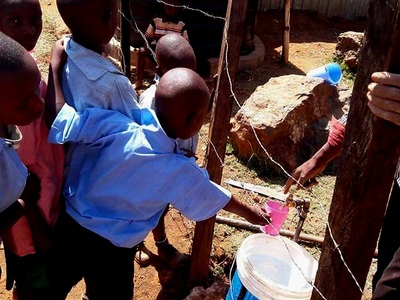
Water (Maji) Project
The experience
The Water (Maji) Project will provide clean and safe water to underserved children in school and the surrounding community through borehole harvesting. It will promote hygiene, sanitation, and community education to prevent waterborne diseases. By ensuring reliable water access, the project will improve health, education, and livelihoods, empowering communities sustainably.
What you offer
25 hours of help per week
Farming: Plant crops, sow seeds and help in outside tasks.
Building & Repairing: Help with a wide range of repairs or building.
Gardening: Help grow plants and cultivate gardens
Additional fee required
Amount: € 10 Per day
Description: Volunteers contribute €10. This includes accommodation, clean drinking water, and three healthy, traditional Kenyan meals each day.
What you get
2 days off per week
Private Room: You will have a bed in a private room. In other words, a room just for you.
Shared Dorm: You will have a bed in a shared room, which means you will share the same room with other travelers.
Team Dorm: You will have a bed in a shared room, which means you will share the same room with other people.
Breakfast: You are entitled to a free breakfast, every day of your stay.
Lunch: You are entitled to a free lunch, every day of your stay.
Dinner: You are entitled to a free dinner, every day of your stay.
Free Laundry: You can use our laundry room freely.
Get free drinks or beverages.: Drink up! Get free and tasty drinks for yourself.
Pick Up: We will pick you up when you arrive, and take you to our property.
Yoga classes: Take free yoga classes at our place.
Language lessons: Take free language classes at our place.
Use our equipped kitchen: Feel free to use our kitchen and make your own delicious food.
Certificate: Get a certificate of completion after you finish your experience.
Fast Internet Access: High-speed internet for you to work remotely
Dedicated Workspace: Specific space for you to work remotely
Requirements
Beginner English
Over 18 years old
Welcomes solo volunteers, couples, and partners of volunteers
What's not included
Flights, Travel Insurance, Internal Transportation and Visa
Program Details
The Water (Maji) Project is a community-focused programme aimed at providing clean and safe water to children in schools and surrounding communities. Through the construction of boreholes and water harvesting systems, the project ensures reliable access to water, reducing the time spent collecting it and improving overall wellbeing.
Beyond infrastructure, the programme emphasizes hygiene, sanitation, and community education, teaching proper handwashing, safe water storage, and disease prevention. By combining access to water with awareness and training, the project helps prevent waterborne diseases and promotes healthier communities.
The Water (Maji) Project also contributes to educational and social development. Children spend more time in school, families enjoy better health, and communities gain the resources and knowledge to maintain sustainable water solutions. This integrated approach empowers communities, enhances livelihoods, and fosters long-term sustainable development.
Through the programme, communities are not only provided with essential water resources but also equipped with the skills and knowledge to manage them responsibly, creating a lasting positive impact.
Activities & Shift
1. Water Source Development
•Borehole drilling and installation – providing safe and reliable water points.
•Rainwater harvesting systems – installing tanks and gutters for school.
•Water purification and storage – ensuring water remains clean and safe for consumption.
2. Hygiene and Sanitation Education
•Conduct workshops in school .
•Train children, parents, and community leaders on handwashing, safe water storage, and sanitation practices.
•Promote prevention of waterborne diseases through community campaigns.
3. Community Engagement and Capacity Building
•Form community water committees to manage and maintain water sources.
•Conduct training on sustainable water management and conservation practices.
•Monitor water quality and usage regularly.
4. Health and Education Support
•Encourage children’s attendance in school by reducing time spent collecting water.
•Promote improved household hygiene for better health outcomes.
Shifts / Scheduling
•Morning Shift (8:00 am – 12:00 pm): School-based activities and education sessions.
•Afternoon Shift (1:00 pm – 5:00 pm): Community workshops, borehole maintenance, and water monitoring.
Weekly/Monthly Activities: Community clean-up campaigns, water quality testing, and progress evaluations.
Rules
Safe Water Use;
•Water from project sources is for drinking, cooking, and hygiene only.
Do not contaminate water points by washing clothes, utensils, or animals nearby.
Access and Fairness;
•All children, staff, and community members must have equal access to water.
•Queues must be observed to avoid conflicts or overcrowding.
Maintenance and Care;
•Water sources and facilities must be treated with care.
•Report any damage, leaks, or malfunction immediately .
Hygiene and Sanitation;
•Wash hands before and after using water points.
•Dispose of waste properly; do not litter around water facilities.
Community Responsibility;
•Only trained committee members may operate pumps or water equipment.
•Participate in community clean-ups and water conservation initiatives.
Education Participation;
•Attend hygiene and sanitation workshops as scheduled.
•Apply lessons learned to daily routines at school and home.
•Monitoring and Feedback
Water quality will be checked regularly; follow guidance from project staff.
•Provide feedback or suggestions to improve water access and safety.