- App herunterladen
-
Freiwilligenmöglichkeiten
Welche Art von Erlebnis suchst du?
- Academy
- Community-Blog
- WP Life
- Exklusive Rabatte
- So funktioniert es
- Hilfe
- Abmelden
- Einloggen
- Anmelden
- Werde ein Host
- Deutsch

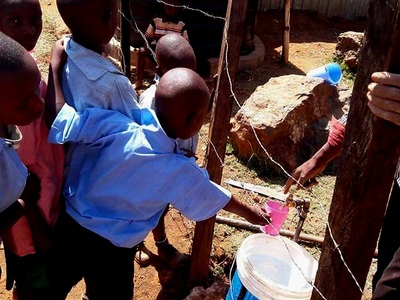
Water (Maji) Project
Das Erlebnis
The Water (Maji) Project will provide clean and safe water to underserved children in school and the surrounding community through borehole harvesting. It will promote hygiene, sanitation, and community education to prevent waterborne diseases. By ensuring reliable water access, the project will improve health, education, and livelihoods, empowering communities sustainably.
Was Sie anbieten
25 Stunden Hilfe pro Woche
Landwirtschaft: Pflanze Feldfrüchte, säe Samen und hilf bei Außenarbeiten.
Bauen & Reparieren: Hilf bei verschiedenen Reparatur- oder Bauarbeiten.
Gartenarbeit: Hilf beim Pflanzenanbau und der Gartenpflege
Zusätzliche Gebühr erforderlich
Betrag: € 10 Pro Tag
Beschreibung: Volunteers contribute €10. This includes accommodation, clean drinking water, and three healthy, traditional Kenyan meals each day.
Was Sie bekommen
2 freie Tage pro Woche
Privatzimmer: Du bekommst ein Bett in einem privaten Zimmer. Mit anderen Worten, ein Zimmer nur für dich.
Gemeinschaftszimmer: Du bekommst ein Bett in einem Gemeinschaftszimmer, was bedeutet, dass du dir den Raum mit anderen Reisenden teilst.
Team dorm: Du bekommst ein Bett in einem Gemeinschaftszimmer, was bedeutet, dass du dir den Raum mit anderen Personen teilst.
Frühstück: Du hast Anspruch auf ein kostenloses Frühstück an jedem Tag deines Aufenthalts.
Mittagessen: Du hast Anspruch auf ein kostenloses Mittagessen an jedem Tag deines Aufenthalts.
Abendessen: Du hast Anspruch auf ein kostenloses Abendessen an jedem Tag deines Aufenthalts.
Kostenlose Wäsche: Du kannst unseren Waschraum frei nutzen.
Kostenlose Getränke: Prost! Erhalte kostenlose und leckere Getränke für dich.
Abholung: Wir holen dich bei deiner Ankunft ab und bringen dich zu unserem Grundstück.
Yoga-Kurse: Nimm an kostenlosen Yoga-Kursen bei uns teil.
Sprachunterricht: Nimm an kostenlosen Sprachkursen bei uns teil.
Nutze unsere ausgestattete Küche: Nutze gerne unsere Küche und bereite dein eigenes leckeres Essen zu.
Zertifikat: Erhalte ein Zertifikat nach Beenden deines Erlebnisses.
Schneller Internetzugang: Hochgeschwindigkeits-Internet, damit du remote arbeiten kannst
Dedizierter Arbeitsplatz: Spezieller Bereich, damit du remote arbeiten kannst
Anforderungen
Anfänger Englisch
Über 18 Jahre alt
Empfängt Einzelreisende, Paare und Partner von Freiwilligen
Was nicht inbegriffen ist
Flüge, Reiseversicherung, interne Transportmittel und Visum
Programmdetails
The Water (Maji) Project is a community-focused programme aimed at providing clean and safe water to children in schools and surrounding communities. Through the construction of boreholes and water harvesting systems, the project ensures reliable access to water, reducing the time spent collecting it and improving overall wellbeing.
Beyond infrastructure, the programme emphasizes hygiene, sanitation, and community education, teaching proper handwashing, safe water storage, and disease prevention. By combining access to water with awareness and training, the project helps prevent waterborne diseases and promotes healthier communities.
The Water (Maji) Project also contributes to educational and social development. Children spend more time in school, families enjoy better health, and communities gain the resources and knowledge to maintain sustainable water solutions. This integrated approach empowers communities, enhances livelihoods, and fosters long-term sustainable development.
Through the programme, communities are not only provided with essential water resources but also equipped with the skills and knowledge to manage them responsibly, creating a lasting positive impact.
Aktivitäten & Schichten
1. Water Source Development
•Borehole drilling and installation – providing safe and reliable water points.
•Rainwater harvesting systems – installing tanks and gutters for school.
•Water purification and storage – ensuring water remains clean and safe for consumption.
2. Hygiene and Sanitation Education
•Conduct workshops in school .
•Train children, parents, and community leaders on handwashing, safe water storage, and sanitation practices.
•Promote prevention of waterborne diseases through community campaigns.
3. Community Engagement and Capacity Building
•Form community water committees to manage and maintain water sources.
•Conduct training on sustainable water management and conservation practices.
•Monitor water quality and usage regularly.
4. Health and Education Support
•Encourage children’s attendance in school by reducing time spent collecting water.
•Promote improved household hygiene for better health outcomes.
Shifts / Scheduling
•Morning Shift (8:00 am – 12:00 pm): School-based activities and education sessions.
•Afternoon Shift (1:00 pm – 5:00 pm): Community workshops, borehole maintenance, and water monitoring.
Weekly/Monthly Activities: Community clean-up campaigns, water quality testing, and progress evaluations.
Regeln
Safe Water Use;
•Water from project sources is for drinking, cooking, and hygiene only.
Do not contaminate water points by washing clothes, utensils, or animals nearby.
Access and Fairness;
•All children, staff, and community members must have equal access to water.
•Queues must be observed to avoid conflicts or overcrowding.
Maintenance and Care;
•Water sources and facilities must be treated with care.
•Report any damage, leaks, or malfunction immediately .
Hygiene and Sanitation;
•Wash hands before and after using water points.
•Dispose of waste properly; do not litter around water facilities.
Community Responsibility;
•Only trained committee members may operate pumps or water equipment.
•Participate in community clean-ups and water conservation initiatives.
Education Participation;
•Attend hygiene and sanitation workshops as scheduled.
•Apply lessons learned to daily routines at school and home.
•Monitoring and Feedback
Water quality will be checked regularly; follow guidance from project staff.
•Provide feedback or suggestions to improve water access and safety.