- Download the app
-
Volunteer Opportunities
Top Destinations
See all volunteer opportunitiesWhat type of experience are you looking for?
- Academy
- Community Blog
- WP Life
- Exclusive discounts
- How it works
- Help
- Sign Out
- Log In
- Sign Up
- Become a Host
- English

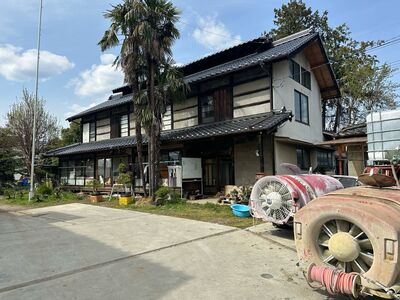
Help us repair an old japanese house
The experience
We're looking for experienced person in carpentry to help us restore an old Japanese house. This is a solo project, so we need someone confident in their carpentry skills and able to work independently. Your help will be crucial in preserving the unique character of this traditional home. If you have a passion for craftsmanship and cultural heritage, we'd love to hear from you!
What you offer
30 hours of help per week
Farming: Plant crops, sow seeds and help in outside tasks.
Painting & Decorating: Help with painting or decorating the property facilities.
Building & Repairing: Help with a wide range of repairs or building.
What you get
2 days off per week
Private Room: You will have a bed in a private room. In other words, a room just for you.
Shared Dorm: You will have a bed in a shared room, which means you will share the same room with other travelers.
Breakfast: You are entitled to a free breakfast, every day of your stay.
Lunch: You are entitled to a free lunch, every day of your stay.
Dinner: You are entitled to a free dinner, every day of your stay.
Free Laundry: You can use our laundry room freely.
Bikes at your disposal: You can use our bikes any time you want.
Pick Up: We will pick you up when you arrive, and take you to our property.
Use our equipped kitchen: Feel free to use our kitchen and make your own delicious food.
Fast Internet Access: High-speed internet for you to work remotely
Requirements
Over 20 years old
Only hosts solo volunteers (doesn’t accept couples or partners)
What's not included
Flights, Travel Insurance, Internal Transportation and Visa
Program Details
Your contribution will be invaluable in preserving the integrity of this old house. You will be working alongside with a worker or a small team of volunteers on essential tasks that require knowledge of wood and structural repair.
Learning Opportunity: You will get hands-on experience with traditional Japanese woodworking, learning how to treat and repair aged timbers and potentially assisting with traditional joinery or specific structural fixes.
The Goal: We aim to secure the structure, restore the aesthetic features, and prepare the house for future use while maintaining its historical charm.
They must be able to take the initiative and not wait to be constantly assigned tasks.
Responsibility and Punctuality:
It is important that the volunteer be responsible with the schedules and assigned tasks, and that they fulfill the agreed-upon commitments.
Punctuality is essential, especially during harvest season, when timing is crucial.
Collaboration and Communication Skills:
It is fundamental that the volunteer be capable of working in a team and communicating clearly and respectfully with the family members.
The ability to adapt to different situations and solve problems constructively is highly valued.
Respect for Culture and Home:
We expect the volunteer to show respect for local customs and for the house rules.
They should keep their space clean and tidy, and contribute to a harmonious environment.
Flexibility and Adaptability:
Life in the countryside can be unpredictable, so flexibility to adapt to changes in schedules or tasks is essential.
They must understand that tasks can vary depending on the season, and that sometimes the work in the field can be demanding.
Activities & Shift
Volunteering hours are:
From January to May: 8:00 AM to 3:00 PM or 10:00 AM to 5:00 PM.
From June to August: 5:00 AM to 12:00 PM (noon) or 8:00 AM to 3:00 PM.
An agreement can be reached regarding rest days.
Rules
Please do not smoke inside the house.
It is important to maintain a quiet environment at night, as the workdays in the field start early. We ask that you avoid excessive noise after 8 PM.
Keep your room and bathroom clean and tidy. Help maintain the cleanliness of the common areas.
Assist with cleaning the kitchen utensils used.
We ask for responsible use of water and electricity, especially during months of higher consumption.
It is important to communicate any absence or extended outing to the family members.
Take care of and respect the family's belongings and the field work equipment.
Maintain a respectful attitude towards all family members, neighbors, and the local culture.
It is important to inform us of any food allergies or special needs so that we can adapt meals and accommodation.