- Download the app
-
Volunteer Opportunities
Top Destinations
See all volunteer opportunitiesWhat type of experience are you looking for?
- Academy
- Community Blog
- WP Life
- Exclusive discounts
- How it works
- Help
- Sign Out
- Log In
- Sign Up
- Become a Host
- English

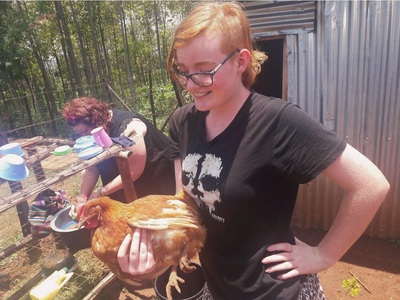
Chicken (kuku) Project.
The experience
The Chicken Project is a sustainable initiative that supports nutrition, income, and self-reliance for families at BCHF. Chickens provide eggs and meat to improve children’s health, while surplus is sold to support school and basic needs. The project also teaches practical poultry skills, empowering families with knowledge, responsibility, and confidence to build a better future.
What you offer
25 hours of help per week
Animal Care: Help look after and take care of animals.
Farming: Plant crops, sow seeds and help in outside tasks.
Building & Repairing: Help with a wide range of repairs or building.
Additional fee required
Amount: € 10 Per day
Description: Volunteers contribute €10. This includes accommodation, clean drinking water, and three healthy, traditional Kenyan meals each day.
What you get
2 days off per week
Private Room: You will have a bed in a private room. In other words, a room just for you.
Shared Dorm: You will have a bed in a shared room, which means you will share the same room with other travelers.
Team Dorm: You will have a bed in a shared room, which means you will share the same room with other people.
Breakfast: You are entitled to a free breakfast, every day of your stay.
Lunch: You are entitled to a free lunch, every day of your stay.
Dinner: You are entitled to a free dinner, every day of your stay.
Free Laundry: You can use our laundry room freely.
Get free drinks or beverages.: Drink up! Get free and tasty drinks for yourself.
Pick Up: We will pick you up when you arrive, and take you to our property.
Dance classes: Take free dance classes at our place.
Language lessons: Take free language classes at our place.
Use our equipped kitchen: Feel free to use our kitchen and make your own delicious food.
Certificate: Get a certificate of completion after you finish your experience.
Fast Internet Access: High-speed internet for you to work remotely
Dedicated Workspace: Specific space for you to work remotely
Requirements
Beginner English
Over 18 years old
Welcomes solo volunteers, couples, and partners of volunteers
What's not included
Flights, Travel Insurance, Internal Transportation and Visa
Program Details
The Chicken Programme is a hands-on, community-driven initiative that improves child nutrition while creating income and skills for families. Volunteers play a key role not only by supporting daily care and training participants in poultry management, hygiene, and record keeping but also by helping implement and grow the project. Your involvement brings practical support, fresh ideas, and energy, directly strengthening families, promoting self-reliance, and giving children healthier, brighter futures.
Activities & Shift
Activities:
•Feeding and watering the chickens daily
•Cleaning and maintaining the chicken coops
•Collecting and storing eggs
•Monitoring chicken health and preventing diseases
•Training families and children in poultry care and management
•Assisting with record keeping for eggs, sales, and supplies
•Supporting small-scale sales of surplus eggs or chickens
•Helping expand or improve the project facilities as needed
Shifts:
•Morning Shift: 7:00 AM – 11:00 AM (feeding, cleaning, health checks, collecting eggs)
•Afternoon Shift: 2:00 PM – 5:00 PM (training, record keeping, coop maintenance, project support)
Volunteers can join one or both shifts depending on availability, energy, and interest, ensuring hands-on experience and meaningful contribution to the community.
Rules
•Respect the Animals: Handle chickens gently and follow guidance from staff at all times.
•Hygiene First: Wash hands before and after handling chickens, eggs, or feed. Wear gloves when needed.
•Follow Instructions: Listen carefully to supervisors for feeding, cleaning, and health routines.
•Safety is Key: Do not enter coops without permission, and avoid running or loud noises that may stress the chickens.
•Teamwork Matters: Work cooperatively with staff, volunteers, and community members.
•Punctuality: Arrive on time for your assigned shifts to ensure all activities run smoothly.
•Record Keeping: Accurately note egg collection, feed usage, and any observations about the chickens’ health.
•Positive Attitude: Stay patient, flexible, and willing to learn—your effort and attitude matter more than perfection.
•No Waste: Use feed and supplies responsibly to maintain sustainability.
•Respect the Community: Engage respectfully with local families and children, valuing their culture and traditions.