- Scarica l'app
-
Opportunità di volontariato
Destinazioni principali
Vedi tutte le opportunità di volontariatoChe tipo di esperienza stai cercando?
- Academy
- Blog della community
- WP Life
- Sconti esclusivi
- Come funziona
- Aiuto
- Esci
- Accedi
- Iscriviti
- Diventa un Host
- Italiano

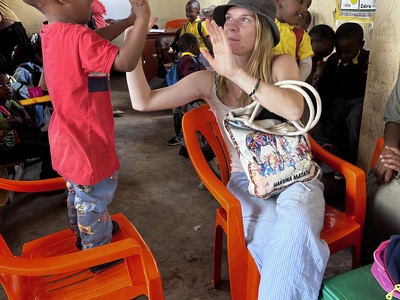
Come volunteer with us teach kids, teach sport and teach language
L'esperienza
Volunteering in a kids’ school in Arusha offers a rewarding chance to support education and community development. Volunteers assist in teaching basic subjects and English, helping children improve language skills. You can also teach football, promoting teamwork, discipline, and fun. It’s a hands-on way to make a difference while experiencing Tanzanian culture and daily life.
Cosa offri
20 ore di aiuto per settimana
Insegnamento sport: Insegna o assisti l'host, gli ospiti o le comunità locali nella pratica di sport o attività fisiche.
Insegnamento Lingue: Insegnare una lingua all'host, agli ospiti o alle comunità locali.
Lavoro sociale: Aiuta con lavoro volontario in progetti e comunità locali.
Cura dei Bambini: Prendersi cura, giocare e trascorrere tempo con i bambini.
Costo aggiuntivo richiesto
Importo: US$ 5 Al giorno
Il costo copre: Benefici per i viaggiatori, Materiali per le attività di volontariato, e Donazione al progetto
Descrizione: The 5 dollars will be helping teaching materials, volunteering equipment and support program
Cosa ottieni
2 giorni liberi a settimana
Dormitorio condiviso: Avrai un letto in una camera condivisa, il che significa che condividerai la stessa stanza con altri viaggiatori.
Colazione: Hai diritto a una colazione gratuita, ogni giorno del tuo soggiorno.
Pranzo: Hai diritto a un pranzo gratuito, ogni giorno del tuo soggiorno.
Cena: Hai diritto a una cena gratuita, ogni giorno del tuo soggiorno.
Sconti su Tour: Ottieni sconti per tour ed escursioni in città.
Feste gratuite: Ottieni ingresso gratuito per le migliori feste in città.
Servizio di prelievo: Ti verremo a prendere quando arrivi e ti porteremo alla nostra struttura.
Lezioni di ballo: Partecipa a lezioni di ballo gratuite presso la nostra struttura.
Lezioni di lingua: Partecipa a lezioni di lingua gratuite presso la nostra struttura.
Usa la nostra cucina attrezzata: Sentiti libero di utilizzare la nostra cucina e preparare il tuo delizioso cibo.
Accesso Internet Base: Internet a velocità base per lavorare da remoto
Requisiti
Fluente Inglese o Intermedio Francese
Accoglie volontari singoli, coppie e partner di volontari
Cosa non è incluso
Voli, assicurazione di viaggio, trasporti interni e visto
Dettagli del programma
This volunteer program is centered around supporting local primary schools in Arusha, Tanzania. It’s designed for individuals passionate about education, sports, and cultural exchange. Volunteers help enhance children’s learning and social development in a structured yet flexible setting.
⸻
Typical Activities:
1. Teaching in the Classroom:
• Assist local teachers with lessons in English, math, science, and reading.
• Lead interactive sessions to improve students’ spoken and written English.
• Create fun learning materials like flashcards, games, or songs.
• Offer extra help to students who are struggling academically.
2. Language Development:
• Conduct basic conversational English classes.
• Introduce vocabulary-building games and activities.
• Help children develop confidence in speaking and writing.
3. Football Coaching:
• Organize daily or weekly football practice sessions.
• Teach fundamental skills like passing, dribbling, and teamwork.
• Encourage participation from both boys and girls.
• Host friendly matches or sports days to foster team spirit and fun.
⸻
Program Structure:
• Duration: Flexible—typically 2 to 12 weeks.
• Schedule: Monday to Friday, 4–6 hours per day. Weekends are usually free for exploration or rest.
• Location: Local government or community-run schools in or near Arusha.
• Group Size: Small volunteer teams (2–10 people), ensuring personalized engagement.
⸻
Accommodation and Meals:
• Volunteers usually stay in a host family, volunteer house, or lodge.
• Two to three meals per day are often included, with a taste of local Tanzania
Attività e turni
Morning Routine (7:30 AM – 12:00 PM)
Focus: Teaching in Schools
7:30 AM – 8:00 AM
Team Check-In & Prep
Quick meeting to plan lessons, prep materials, and assign teaching roles
Warm-up activities or short language games among volunteers
8:00 AM – 11:00 AM
Classroom Teaching at Local School
Teach basic subjects: English, Math, Science, or Health (age-appropriate)
Use interactive methods: songs, visuals, role-play, games
Work alongside local teachers or lead small-group sessions
11:00 AM – 12:00 PM
Language Enrichment & Support
Focused English or Swahili lessons depending on local needs
Activities may include storytelling, pronunciation games, reading practice, or writing exercises
Small-group tutoring for students who need extra help
Lunch & Break (12:00 PM – 2:00 PM)
Shared meal with fellow volunteers or local staff
Free time for rest, journaling, walking, or informal language exchange
Optional: language practice tables with themed vocabulary (e.g., sports, classroom objects)
Afternoon Activities (2:00 PM – 4:30 PM)
Focus: Sports Coaching & Community Engagement
2:00 PM – 3:30 PM
Football Coaching & Physical Education
Plan and run football drills, small-sided games, or full matches
Teach teamwork, rules, technique, and sportsmanship
Adapt activities to skill levels and include girls and younger children
Include warm-ups and cool-downs with basic fitness training
3:30 PM – 4:30 PM
Community Language Teaching or Club Activities
Volunteer-led language classes for youth or adults (English/Swahili)
Could include themed sessions like “English Through Football”
On some days, host creative clubs (e.g., storytelling, art, or debate)
Evening (Optional & Social Time)
Language Exchange Night: Take turns teaching each other your native languages (fun themes li
Regole
1. Code of Conduct
Respect local culture, language, and customs at all times.
Be punctual and reliable for all scheduled activities (teaching, coaching, meetings).
Show kindness and patience, especially when working with children or language learners.
No discrimination, harassment, or bullying of any kind will be tolerated.
Dress modestly and appropriately when in schools, communities, or on the sports field.
2. Child Protection & Safety
Always maintain professional boundaries with children—no one-on-one alone time behind closed doors.
No physical punishment, shouting, or ridicule is allowed.
Use positive reinforcement and gentle correction when needed.
Report any concerns about a child’s well-being to the program supervisor immediately.
Do not share personal contact information (phone, social media) with students.
3. Teaching Expectations
Come prepared for lessons—use age-appropriate, engaging materials.
Collaborate respectfully with local teachers and adjust to their methods.
Avoid teaching sensitive topics (e.g. politics, religion, sexuality) unless pre-approved.
Adapt your language and instructions to students’ proficiency levels.
Leave classrooms and teaching areas clean and organized after sessions.
4. Sports Coaching Guidelines
Prioritize safety and inclusion—every child should feel welcome to participate.
Teach sportsmanship, teamwork, and respect, not just winning.
Make sure warm-ups, hydration breaks, and cool-downs are part of the session.
Monitor players for signs of exhaustion, injury, or dehydration—act quickly if needed.
Use appropriate, non-aggressive communication when giving feedback.
5. Community Engagement
Be humble and open-minded—you are a guest in the community.
Avoid "savior" mentalities; listen and learn as much a