- App herunterladen
-
Freiwilligenmöglichkeiten
Welche Art von Erlebnis suchst du?
- Academy
- Community-Blog
- WP Life
- Exklusive Rabatte
- So funktioniert es
- Hilfe
- Abmelden
- Einloggen
- Anmelden
- Werde ein Host
- Deutsch

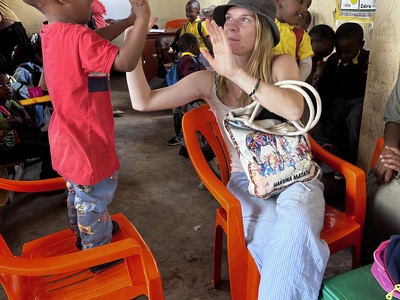
Come volunteer with us teach kids, teach sport and teach language
Das Erlebnis
Volunteering in a kids’ school in Arusha offers a rewarding chance to support education and community development. Volunteers assist in teaching basic subjects and English, helping children improve language skills. You can also teach football, promoting teamwork, discipline, and fun. It’s a hands-on way to make a difference while experiencing Tanzanian culture and daily life.
Was Sie anbieten
20 Stunden Hilfe pro Woche
Sportunterricht: Unterrichten oder Unterstützen des Hosts, der Gäste oder lokaler Gemeinschaften beim Sport oder körperlichen Aktivitäten.
Sprachunterricht: Unterrichte eine Sprache für den Host, Gäste oder lokale Gemeinschaften.
Sozialarbeit: Hilfe bei Freiwilligenarbeit in lokalen Projekten und Gemeinschaften.
Kinderbetreuung: Betreuung von Kindern, mit ihnen spielen und Zeit verbringen.
Zusätzliche Gebühr erforderlich
Betrag: US$ 5 Pro Tag
Gebühr bezahlt für: Vorteile für Reisende, Materialien für Freiwilligenaktivitäten und Spende an das Projekt
Beschreibung: The 5 dollars will be helping teaching materials, volunteering equipment and support program
Was Sie bekommen
2 freie Tage pro Woche
Gemeinschaftszimmer: Du bekommst ein Bett in einem Gemeinschaftszimmer, was bedeutet, dass du dir den Raum mit anderen Reisenden teilst.
Frühstück: Du hast Anspruch auf ein kostenloses Frühstück an jedem Tag deines Aufenthalts.
Mittagessen: Du hast Anspruch auf ein kostenloses Mittagessen an jedem Tag deines Aufenthalts.
Abendessen: Du hast Anspruch auf ein kostenloses Abendessen an jedem Tag deines Aufenthalts.
Rabatte auf Touren: Erhalte Rabatte für Touren und Ausflüge in der Stadt.
Kostenlose Partys: Erhalte kostenlosen Eintritt für die besten Partys der Stadt.
Abholung: Wir holen dich bei deiner Ankunft ab und bringen dich zu unserem Grundstück.
Tanzkurse: Nimm an kostenlosen Tanzkursen bei uns teil.
Sprachunterricht: Nimm an kostenlosen Sprachkursen bei uns teil.
Nutze unsere ausgestattete Küche: Nutze gerne unsere Küche und bereite dein eigenes leckeres Essen zu.
Grundlegender Internetzugang: Internet mit Grundgeschwindigkeit, damit du remote arbeiten kannst
Anforderungen
Fließend Englisch oder Mittelstufe Französisch
Empfängt Einzelreisende, Paare und Partner von Freiwilligen
Was nicht inbegriffen ist
Flüge, Reiseversicherung, interne Transportmittel und Visum
Programmdetails
This volunteer program is centered around supporting local primary schools in Arusha, Tanzania. It’s designed for individuals passionate about education, sports, and cultural exchange. Volunteers help enhance children’s learning and social development in a structured yet flexible setting.
⸻
Typical Activities:
1. Teaching in the Classroom:
• Assist local teachers with lessons in English, math, science, and reading.
• Lead interactive sessions to improve students’ spoken and written English.
• Create fun learning materials like flashcards, games, or songs.
• Offer extra help to students who are struggling academically.
2. Language Development:
• Conduct basic conversational English classes.
• Introduce vocabulary-building games and activities.
• Help children develop confidence in speaking and writing.
3. Football Coaching:
• Organize daily or weekly football practice sessions.
• Teach fundamental skills like passing, dribbling, and teamwork.
• Encourage participation from both boys and girls.
• Host friendly matches or sports days to foster team spirit and fun.
⸻
Program Structure:
• Duration: Flexible—typically 2 to 12 weeks.
• Schedule: Monday to Friday, 4–6 hours per day. Weekends are usually free for exploration or rest.
• Location: Local government or community-run schools in or near Arusha.
• Group Size: Small volunteer teams (2–10 people), ensuring personalized engagement.
⸻
Accommodation and Meals:
• Volunteers usually stay in a host family, volunteer house, or lodge.
• Two to three meals per day are often included, with a taste of local Tanzania
Aktivitäten & Schichten
Morning Routine (7:30 AM – 12:00 PM)
Focus: Teaching in Schools
7:30 AM – 8:00 AM
Team Check-In & Prep
Quick meeting to plan lessons, prep materials, and assign teaching roles
Warm-up activities or short language games among volunteers
8:00 AM – 11:00 AM
Classroom Teaching at Local School
Teach basic subjects: English, Math, Science, or Health (age-appropriate)
Use interactive methods: songs, visuals, role-play, games
Work alongside local teachers or lead small-group sessions
11:00 AM – 12:00 PM
Language Enrichment & Support
Focused English or Swahili lessons depending on local needs
Activities may include storytelling, pronunciation games, reading practice, or writing exercises
Small-group tutoring for students who need extra help
Lunch & Break (12:00 PM – 2:00 PM)
Shared meal with fellow volunteers or local staff
Free time for rest, journaling, walking, or informal language exchange
Optional: language practice tables with themed vocabulary (e.g., sports, classroom objects)
Afternoon Activities (2:00 PM – 4:30 PM)
Focus: Sports Coaching & Community Engagement
2:00 PM – 3:30 PM
Football Coaching & Physical Education
Plan and run football drills, small-sided games, or full matches
Teach teamwork, rules, technique, and sportsmanship
Adapt activities to skill levels and include girls and younger children
Include warm-ups and cool-downs with basic fitness training
3:30 PM – 4:30 PM
Community Language Teaching or Club Activities
Volunteer-led language classes for youth or adults (English/Swahili)
Could include themed sessions like “English Through Football”
On some days, host creative clubs (e.g., storytelling, art, or debate)
Evening (Optional & Social Time)
Language Exchange Night: Take turns teaching each other your native languages (fun themes li
Regeln
1. Code of Conduct
Respect local culture, language, and customs at all times.
Be punctual and reliable for all scheduled activities (teaching, coaching, meetings).
Show kindness and patience, especially when working with children or language learners.
No discrimination, harassment, or bullying of any kind will be tolerated.
Dress modestly and appropriately when in schools, communities, or on the sports field.
2. Child Protection & Safety
Always maintain professional boundaries with children—no one-on-one alone time behind closed doors.
No physical punishment, shouting, or ridicule is allowed.
Use positive reinforcement and gentle correction when needed.
Report any concerns about a child’s well-being to the program supervisor immediately.
Do not share personal contact information (phone, social media) with students.
3. Teaching Expectations
Come prepared for lessons—use age-appropriate, engaging materials.
Collaborate respectfully with local teachers and adjust to their methods.
Avoid teaching sensitive topics (e.g. politics, religion, sexuality) unless pre-approved.
Adapt your language and instructions to students’ proficiency levels.
Leave classrooms and teaching areas clean and organized after sessions.
4. Sports Coaching Guidelines
Prioritize safety and inclusion—every child should feel welcome to participate.
Teach sportsmanship, teamwork, and respect, not just winning.
Make sure warm-ups, hydration breaks, and cool-downs are part of the session.
Monitor players for signs of exhaustion, injury, or dehydration—act quickly if needed.
Use appropriate, non-aggressive communication when giving feedback.
5. Community Engagement
Be humble and open-minded—you are a guest in the community.
Avoid "savior" mentalities; listen and learn as much a