- Scarica l'app
-
Opportunità di volontariato
Destinazioni principali
Vedi tutte le opportunità di volontariatoChe tipo di esperienza stai cercando?
- Academy
- Blog della community
- WP Life
- Sconti esclusivi
- Come funziona
- Aiuto
- Esci
- Accedi
- Iscriviti
- Diventa un Host
- Italiano

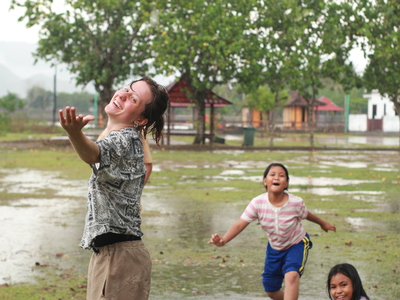
Humanitarian Act: Educational Support for Underprivileged Kids
L'esperienza
This donation-based program focuses on supporting underprivileged children through language learning and hands-on environmental activities. Volunteers share basic skills in Japanese, English, Arabic, or French, while also engaging in practical experiences such as gardening around the learning space, creating community murals, planting mangroves, and stingless beekeeping—from hive management to harvesting.
Cosa offri
20 ore di aiuto per settimana
Insegnamento Lingue: Insegnare una lingua all'host, agli ospiti o alle comunità locali.
Costo aggiuntivo richiesto
Importo: US$ 10 Al giorno
Il costo copre: Donazione al progetto
Descrizione: Social impact travelers cover their own personal expenses (transport pickup, scooter rental, meals, etc) during the program. A voluntary contribution of USD 10 per day is welcomed and will be fully used to support local community initiatives.
Cosa ottieni
3 giorni liberi a settimana
Camera privata: Avrai un letto in una camera privata. In altre parole, una stanza solo per te.
Ottieni bevande gratuite.: Bevi! Ottieni bevande gratuite e gustose per te.
Requisiti
Fluente Inglese o Intermedio Francese
Tra 18 e 35 anni
Accoglie solo volontari singoli (non accetta coppie o partner)
Essere di un paese diverso da Indonesia
Assicurazione di viaggio
Cosa non è incluso
Voli, assicurazione di viaggio, trasporti interni e visto
Dettagli del programma
🗣️ Be a friendly conversation partner, helping children and youth practice foreign languages at the Nature School.
🐝 Get hands-on with stingless beekeeping—learn how to care for hives and harvest honey in a sustainable way.
🌏 Support kids in building confidence in languages like English, French, Japanese, Korean, or any language you speak, while learning about nature together.
🤝 Share culture, stories, and skills, and see how education and nature-based activities can empower local communities.
Attività e turni
📚 Volunteer Schedule
🌅 Early Morning (Optional | 5 AM – 7 AM)
Join local women to forage for oysters during low tide — a rich protein source you can ask them to cook for you.
🌞 Morning (8 AM – 11 AM)
Join classroom sessions as a conversation partner
Assist local teachers during English or other language classes
Lead interactive speaking games or storytelling
Help students improve pronunciation, vocabulary, and grammar
Occasionally support extracurriculars like the English Club
🐝 Participate in stingless beekeeping training — observe the hives, learn basic hive care, and discover how honey is harvested sustainably.
🛏️ Midday (11 AM – 3 PM)
Take a break and relax in your mini cabin.
🌿 Afternoon (3 PM – 5 PM)
Lead fun outdoor language activities
Introduce eco-themed vocabulary through games and stories
Use nature walks and crafts to enrich learning
Support small group speaking practice and confidence building
🐝 Join community members for hands-on beekeeping activities, like preparing bee boxes, checking colonies, and planting nectar plants to support the hives.
🌙 Night (Optional | 7 PM – 11 PM)
Join locals for a traditional night fishing experience — spear-fishing or crab hunting with “bubu” traps in the mangroves.
🌟 Additional Weekend Programs
🏖️ Donation-based (pay as you wish) activities—both on-site and off-site! These include scuba diving, surfing, cooking classes, stingless honey tasting, digital literacy sessions, and trips to waterfalls, Gili islands, and other tourism villages across Lombok.
🏍️ If you ride a scooter, feel free to join and meet us at the designated meeting point!
📝 Additional Notes
🌿 This remote, underdeveloped site is steadily growing into a hub for mangrove research. You’ll often meet university students camping.
Regole
🕌 Cultural Guidelines for Volunteers in Lombok
Lombok is a culturally rich, predominantly Muslim island. Respecting local customs is essential for your safety and a positive experience. Follow these key DOs and DON’Ts:
✅ DOs
Dress modestly: Cover shoulders/knees; loose-fitting clothes are best.
Respect attire rules in homes, schools, mosques; women should avoid revealing outfits.
Cover tattoos and limit visible piercings.
Remove shoes before entering homes or prayer areas.
Mind prayer times; avoid loud noise near mosques.
Use your right hand for eating, giving, or receiving.
Ask permission before taking photos.
Engage respectfully with locals, use basic greetings, and eat local food.
Disclose your background truthfully. No criminal record is allowed.
Note: The program follows a “LGBTQ-Free” policy to align with local norms—public expressions are not accepted.
❌ DON’Ts
No short, tight, transparent, or revealing clothes.
Avoid offensive symbols or slogans.
No alcohol, drugs, or public affection in villages.
Don’t mock or criticize local customs.
No pork in Muslim homes.
Don’t interrupt religious practices or enter mosques without proper dress.
No bikinis on non-touristy beaches.
Don’t misrepresent your identity or background.
No smoking near children or families.
🌙 During Ramadan
Don’t eat, drink, or smoke in public during the day.
Avoid loud music or parties.
Dress modestly and be respectful if invited to iftar (breaking the fast).