- Télécharger l'application
-
Opportunités de volontariat
Destinations populaires
Voir toutes les opportunités de volontariatQuel type d'expérience recherchez-vous ?
- Academy
- Blog communautaire
- WP Life
- Réductions exclusives
- Comment ça marche
- Aide
- Se déconnecter
- Se connecter
- S'inscrire
- Devenir Hôte
- Français

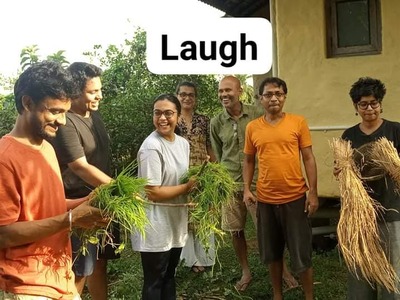
Foodscaping, come help create a beautiful, productive space!
L'expérience
"Foodscaping" is a sustainable landscaping practice that combines the aesthetics of traditional landscaping with the functionality of growing food. It involves integrating edible plants, such as vegetables, fruits, herbs, and edible flowers, into ornamental landscapes and gardens. The goal of foodscaping is to create a beautiful, productive, and environmentally friendly outdoor space that provides both visual appeal and a source of fresh, organic
Ce que vous offrez
30 heures d'aide par semaine
Travail social: Aider au travail bénévole dans des projets locaux et des communautés.
Construction & Réparation: Aider à diverses réparations ou constructions.
Agriculture: Planter des cultures, semer des graines et aider aux tâches extérieures.
Jardinage: Aider à faire pousser des plantes et cultiver des jardins
Ce que vous recevez
2 jours de congé par semaine
Dortoir partagé: Vous aurez un lit dans une chambre partagée, ce qui signifie que vous partagerez la même chambre avec d'autres voyageurs.
Petit-déjeuner: Vous avez droit à un petit-déjeuner gratuit, tous les jours de votre séjour.
Déjeuner: Vous avez droit à un déjeuner gratuit, tous les jours de votre séjour.
Dîner: Vous avez droit à un dîner gratuit, tous les jours de votre séjour.
Réductions sur les Visites: Obtenez des réductions pour les visites et excursions dans la ville.
Réductions sur l'Hébergement: Obtenez des réductions pour votre séjour dans d'autres auberges.
Laverie Gratuite: Vous pouvez utiliser notre buanderie librement.
Visites gratuites: Nous vous emmènerons faire des visites et des balades en ville. Gratuitement !
Randonnées gratuites: Nous vous emmènerons en excursions et randonnées autour de la ville. Gratuitement !
Soirées gratuites: Entrée gratuite aux meilleures soirées de la ville.
Événements gratuits: Entrée gratuite aux meilleurs événements de la ville.
Vélos à votre disposition: Vous pouvez utiliser nos vélos quand vous le souhaitez.
Cours de yoga: Suivez des cours de yoga gratuits chez nous.
Cours de langue: Suivez des cours de langue gratuits chez nous.
Thérapies holistiques: Vous pouvez participer gratuitement à toutes nos activités thérapeutiques.
Cours de permaculture: Participez gratuitement à notre cours de permaculture.
Utilisez notre cuisine équipée: N'hésitez pas à utiliser notre cuisine et préparer vos propres délicieux repas.
Certificat: Obtenez un certificat d'achèvement après avoir terminé votre expérience.
Exigences
Accueille les volontaires solo, les couples et les partenaires de volontaires
Ce qui n'est pas inclus
Vols, assurance voyage, transport interne et visa
Détails du programme
Here are some key principles and concepts associated with foodscaping:
Aesthetic Integration: Foodscaping focuses on blending edible plants seamlessly with ornamental plants to create an attractive and harmonious garden.
Edible Landscaping: Rather than segregating food crops in a separate vegetable garden, foodscaping incorporates edibles throughout the entire landscape, including front yards, backyards, and even containers on patios or balconies.
Plant Selection: Careful selection of edible plants that not only produce food but also contribute to the overall design, such as fruit trees that provide shade and beauty.
Companion Planting: Incorporating companion plants that enhance each other's growth and deter pests, reducing the need for chemical pesticides.
https://docs.google.com/document/d/1SvduZ6bVYw4v6xo-MH_RimpTRlzEWFgc35Z7zkd-eaY/edit?usp=sharing
Activités et horaires
8 am to 9am - Finish Breakfast
9 AM to 12 noon gardening work at community
12 to 2 pm - Finish Lunch
2 to 5:30 Finish days' work for food scaping
Règles
Rules for volunteers engaged in foodscaping, which combines landscaping with food production, are essential to ensure that the garden or landscape is well-maintained, safe, and productive. Here are some important rules for foodscaping volunteers:
Safety First:
Prioritize safety in all activities. Use appropriate protective gear when necessary.
Be aware of potential hazards in the garden, such as tools, uneven terrain, or slippery surfaces.
Respect for Plants:
Handle plants with care and respect. Avoid overharvesting, trampling, or damaging them.
Follow planting guidelines and care instructions provided by the garden coordinator.
Organic Practices:
Adhere to organic gardening practices. Avoid the use of synthetic pesticides, herbicides, or chemical fertilizers.
https://docs.google.com/document/d/1SvduZ6bVYw4v6xo-MH_RimpTRlzEWFgc35Z7zkd-eaY/edit