- Descarga la aplicación
-
Oportunidades de voluntariado
Destinos destacados
Mira todas las oportunidades de voluntariado¿Qué tipo de experiencias estás buscando?
- Academy
- Blog de la comunidad
- WP Life
- Descuentos exclusivos
- Cómo funciona
- Ayuda
- Cerrar sesión
- Entrar
- Regístrate
- Sea un anfitrión
- Español

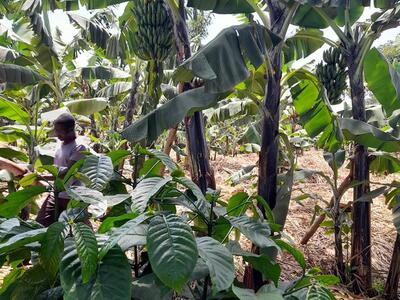
Eco-projects Uganda 🇺🇬 🌱🐄🐐🐓
La experiencia
"Join our Echo Project! Volunteer in Uganda, helping vulnerable children & communities. Assist with building, repairing, and gardening tasks. Gain experience, make a difference, and enjoy African culture!"
Que ofreces?
25 horas de ayuda por semana
Cuidado de Animales: Ayuda a cuidar mascotas.
Construcción y Reparación: Ayuda con varias tareas de reparación o construcción.
Ayuda en Granjas Eco: Siembra, cosecha y ayuda con tareas del campo.
Jardinería: Ayuda a plantar y cultivar jardines.
Lo que obtienes
1 dia libre por semana
Habitación compartida: Tendrás una cama en un cuarto compartido con otros viajeros.
Habitación del equipo: Tendrás una cama en un cuarto compartido con otras personas.
Desayuno: Tienes derecho a desayunos gratis cada día de tu estadía.
Almuerzo: Tienes derecho a almuerzos gratis cada día de tu estadía.
Cena: Tienes derecho a cenas gratis cada día de tu estadía.
Traslado: Te buscaremos cuando llegues y te llevamos a nuestro lugar.
Clases de surf: Toma clases de surf gratis en playas locales.
Clases de danza: Toma clases de baile gratis en nuestro espacio.
Clases de idiomas: Toma clases de idiomas gratis en nuestro espacio.
Curso de permacutura: Puedes unirte a nuestros cursos de permacultura gratuitamente.
Certificado: Obtén un certificado de culminación una vez que hayas terminado tu experiencia.
Internet de Alta Velocidad: Internet de alta velocidad para trabajar remotamente
Requisitos
Inglés Intermedio o Inglés Intermedio
Entre 18 y 80 años
Admite voluntarios solos, parejas y dúos de voluntarios
Lo que no está incluído
Vuelos, Seguro de Viaje, Transporte Interno y Visa
Programa detallado
Our Eco-Project aims to promote environmental sustainability, conserve natural resources, and improve livelihoods in our community. This dissertation outlines the project's position, objectives, and strategies for implementation, highlighting its potential impact on the community and the environment.
*Introduction*
The Eco-Project is designed to address pressing environmental issues in our community, including deforestation, pollution, and climate change. Our foundation recognizes the importance of environmental conservation and the need for collective action to protect our planet.
*Objectives*
1. *Promote Sustainable Practices*: Educate and empower community members to adopt eco-friendly practices, such as renewable energy, waste reduction, and sustainable agriculture.
2. *Conserve Natural Resources*: Protect and restore natural habitats, including forests, wetlands, and water sources.
3. *Improve Livelihoods*: Support community members in developing sustainable livelihoods, such as eco-tourism, organic farming, and environmental education.
*Strategies*
1. *Community Engagement*: Collaborate with local stakeholders, schools, and organizations to raise awareness and mobilize action on environmental issues.
2. *Capacity Building*: Provide training and resources for community members to develop skills in sustainable practices and environmental management.
3. *Project Implementation*: Develop and implement projects focused on renewable energy, waste management, and conservation.
*Expected Outcomes*
1. *Environmental Impact*: Reduced pollution, conserved natural resources, and protected biodiversity.
2. *Social Impact*: Improved livelihoods, enhanced
Actividades & Turnos
*Daily Activity Plan for Eco-Project Position*
As a team member of the Eco-Project, your daily activities will be focused on promoting environmental sustainability, conserving natural resources, and improving livelihoods in our community. Here's a detailed plan:
*Morning Routine (8:00 am - 9:00 am)*
1. *Check-in and Planning*: Review daily tasks, prioritize activities, and set goals for the day.
2. *Team Meeting*: Brief team meeting to discuss progress, challenges, and plans for the day.
*Field Activities (9:00 am - 12:00 pm)*
1. *Community Engagement*: Visit local schools, community centers, or markets to promote eco-friendly practices, educate on environmental issues, and mobilize action.
2. *Project Site Visits*: Monitor project progress, provide technical support, and ensure implementation of eco-friendly initiatives (e.g., tree planting, waste management, renewable energy installations).
3. *Stakeholder Meetings*: Meet with local leaders, businesses, or organizations to discuss partnerships, collaborations, and project opportunities.
*Lunch Break (12:00 pm - 1:00 pm)*
1. *Networking*: Connect with colleagues, partners, or community members to build relationships and explore opportunities.
*Office Activities (1:00 pm - 4:00 pm)*
1. *Report Writing*: Document project progress, successes, and challenges.
2. *Proposal Development*: Research and write proposals for new projects or funding opportunities.
3. *Communication*: Respond to emails, phone calls, or messages from stakeholders, partners, or community members.
*Evening Routine (4:00 pm - 5:00 pm)*
1. *Review and Reflection*: Review daily progress, reflect on challenges, and plan for the next day.
2. *Professional Development*: Engage in online courses, webinars, or workshops to enhance skills and knowle
Reglas
*Additional Rules and Expectations*
*Code of Conduct*
1. *Confidentiality*: Maintain confidentiality of project information, community members, and stakeholders.
2. *Professionalism*: Demonstrate professionalism, respect, and integrity in all interactions.
3. *Cultural Sensitivity*: Respect local customs, traditions, and values.
*Communication*
1. *Regular Updates*: Provide regular updates to team members, supervisors, and stakeholders.
2. *Responsive*: Respond promptly to emails, phone calls, or messages.
3. *Clear Language*: Use clear, simple language in communication.
*Project Management*
1. *Meet Deadlines*: Meet project deadlines and milestones.
2. *Budget Management*: Manage project budget responsibly.
3. *Quality Work*: Deliver high-quality work and outputs.
*Safety and Security*
1. *Risk Assessment*: Conduct risk assessments before field visits.
2. *Safety Protocols*: Follow safety protocols and guidelines.
3. *Emergency Response*: Know emergency response procedures.
*Teamwork and Collaboration*
1. *Team Player*: Work collaboratively as a team member.
2. *Support Colagues*: Support colleagues and share knowledge.
3. *Respect Opinions*: Respect opinions and ideas of others.
*Accountability*
1. *Take Responsibility*: Take responsibility for actions and decisions.
2. *Report Issues*: Report issues or concerns to supervisors.
3. *Learn from Mistakes*: Learn from mistakes and improve.
*Continuous Learning*
1. *Professional Development*: Pursue professional development opportunities.
2. *Share Knowledge*: Share knowledge and best practices with team members.
3. *Innovate*: Explore innovative solutions and ideas.
*Consequences of Non-Compliance*
Failure to comply with these rules and expectations may result in:
1. *Verbal Warning*: Verbal warning from